
Keep Your Airfield FOD Free with Vetrofluid
A single application of Vetrofluid permanently increases abraison resistance and stops water intrusion, the two keys to long-lasting grooves, runways and ramps.
Vetrofluid for Airports
Airside & Landside Concrete Protection Engineered for Aviation Environments
Protect Critical Infrastructure. Avoid Costly Replacement.
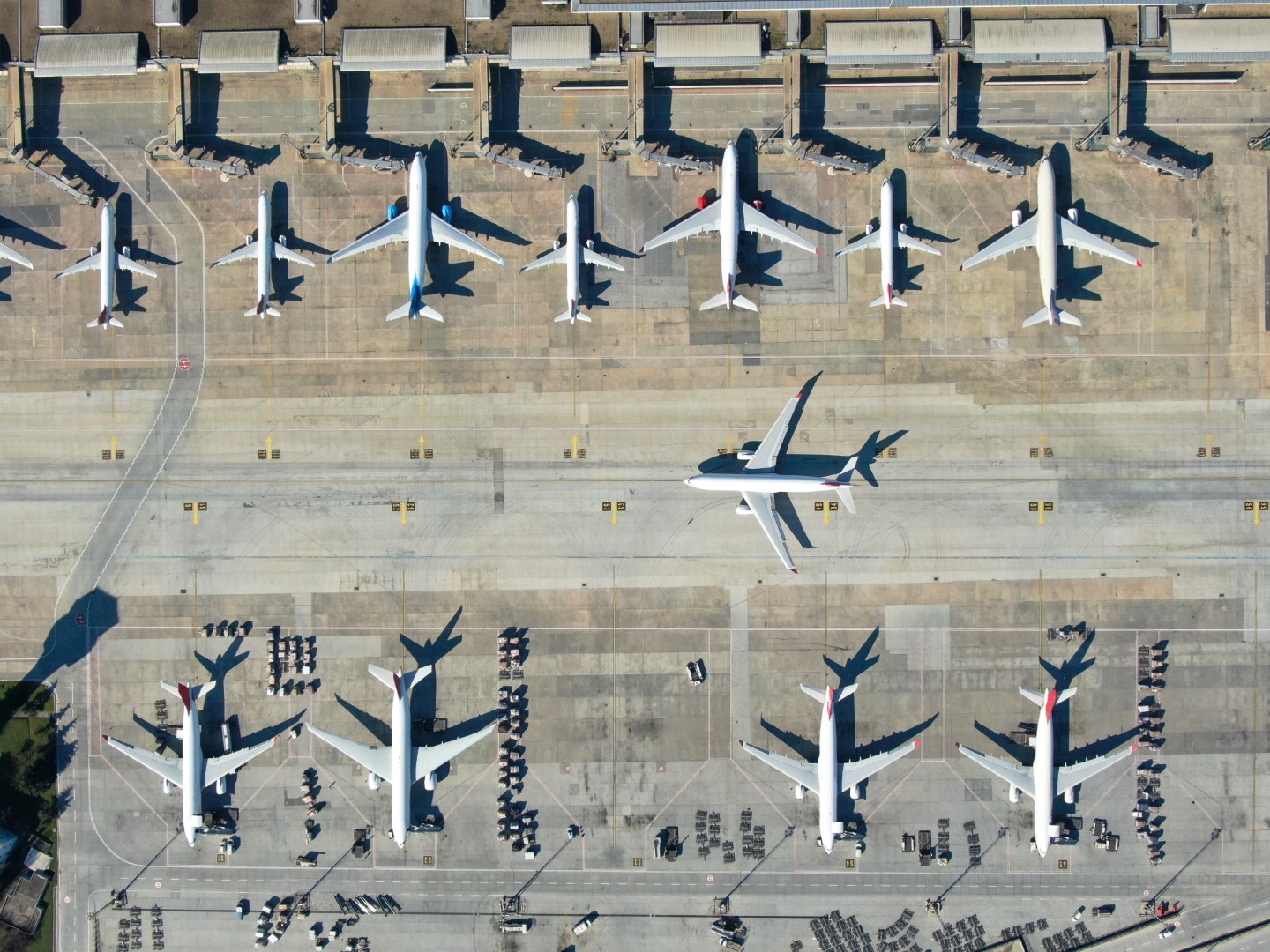
Airport pavements and structures are mission-critical assets that must meet strict operational, safety, and regulatory requirements. Runways, taxiways, aprons, and support facilities are subjected to continuous loading, environmental exposure, and maintenance operations that accelerate concrete deterioration.
When concrete degrades, the consequences extend well beyond repair costs:
Runway and taxiway closures
Flight delays and operational disruptions
Increased Foreign Object Debris (FOD) risk
Higher lifecycle and liability costs
Full reconstruction is capital-intensive and operationally disruptive.
In aviation, the true cost of deterioration is lost operational availability.
Preservation Over Reconstruction
Concrete deterioration is driven by:
Freeze–thaw cycling
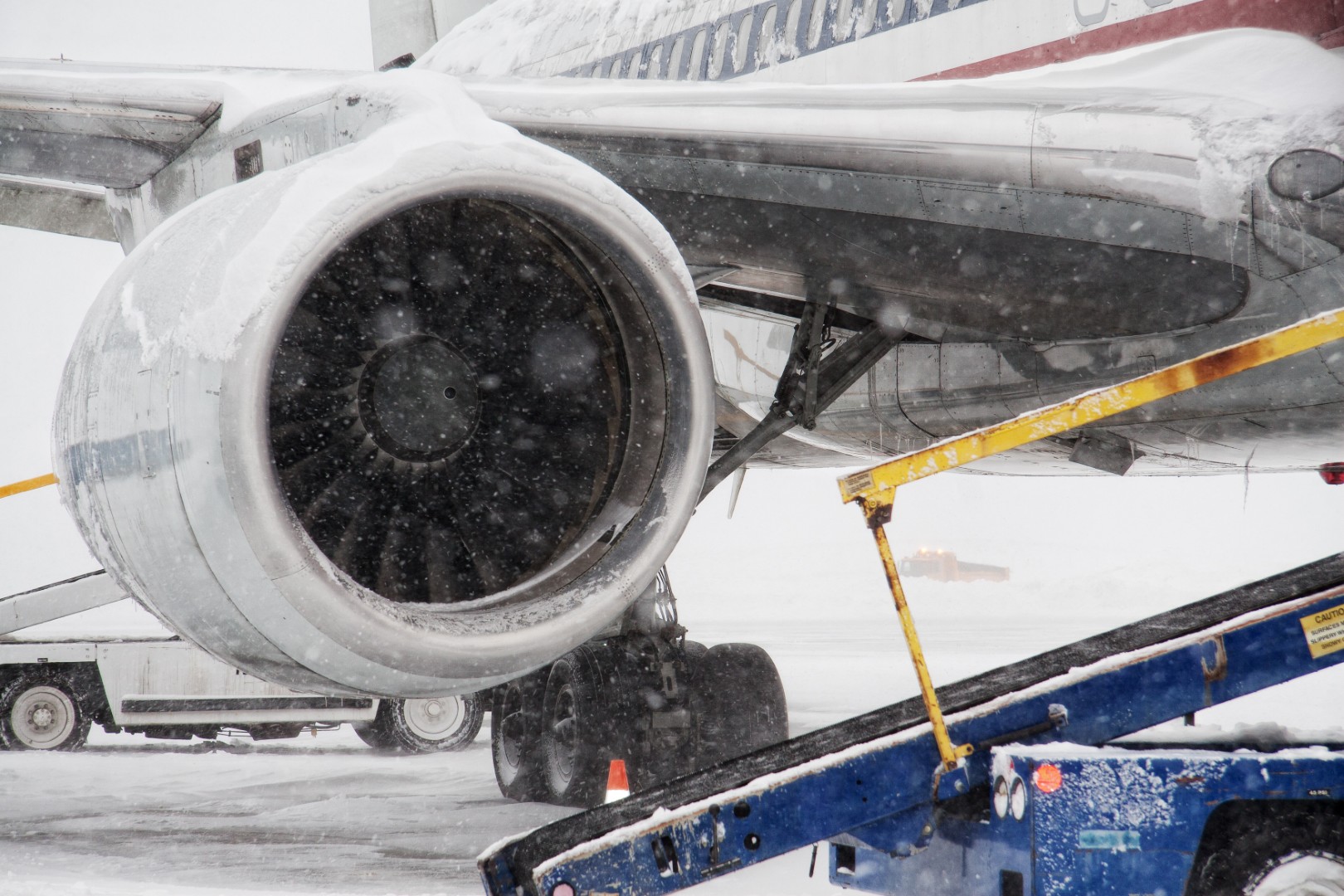
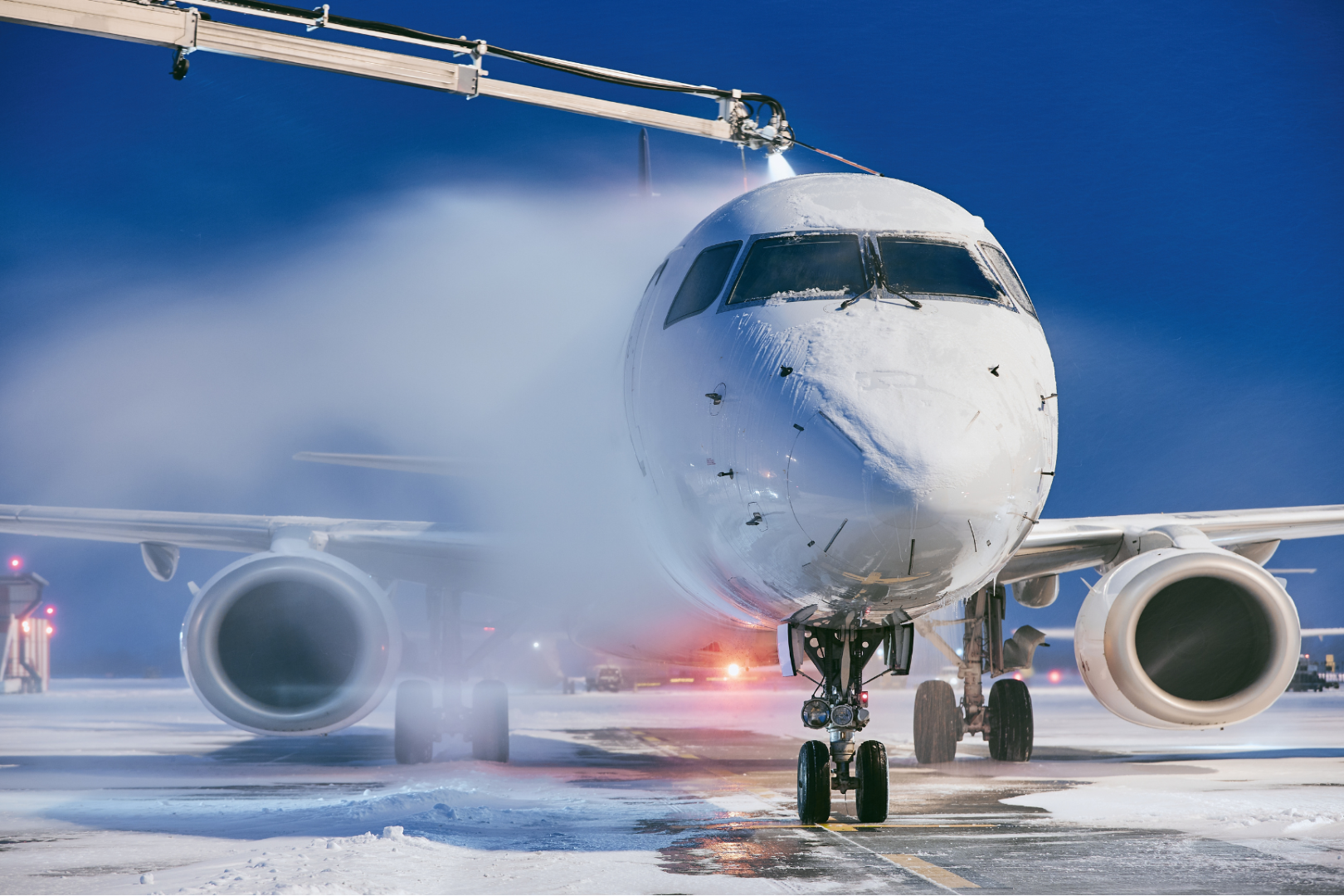
Water and chemical intrusion (including glycol-based deicers)
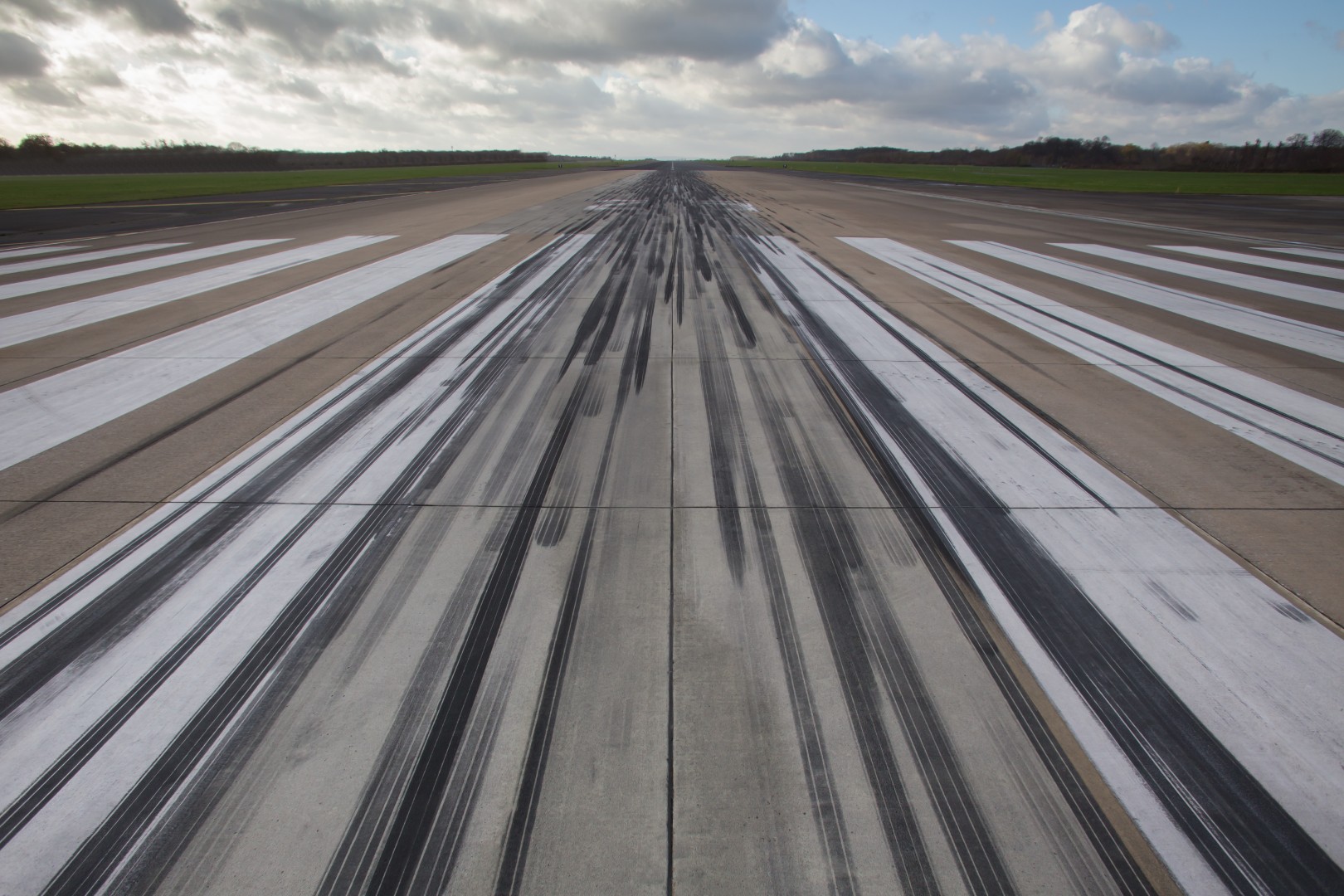
Abrasion from aircraft braking and turning
Heavy wheel loads and repetitive stress
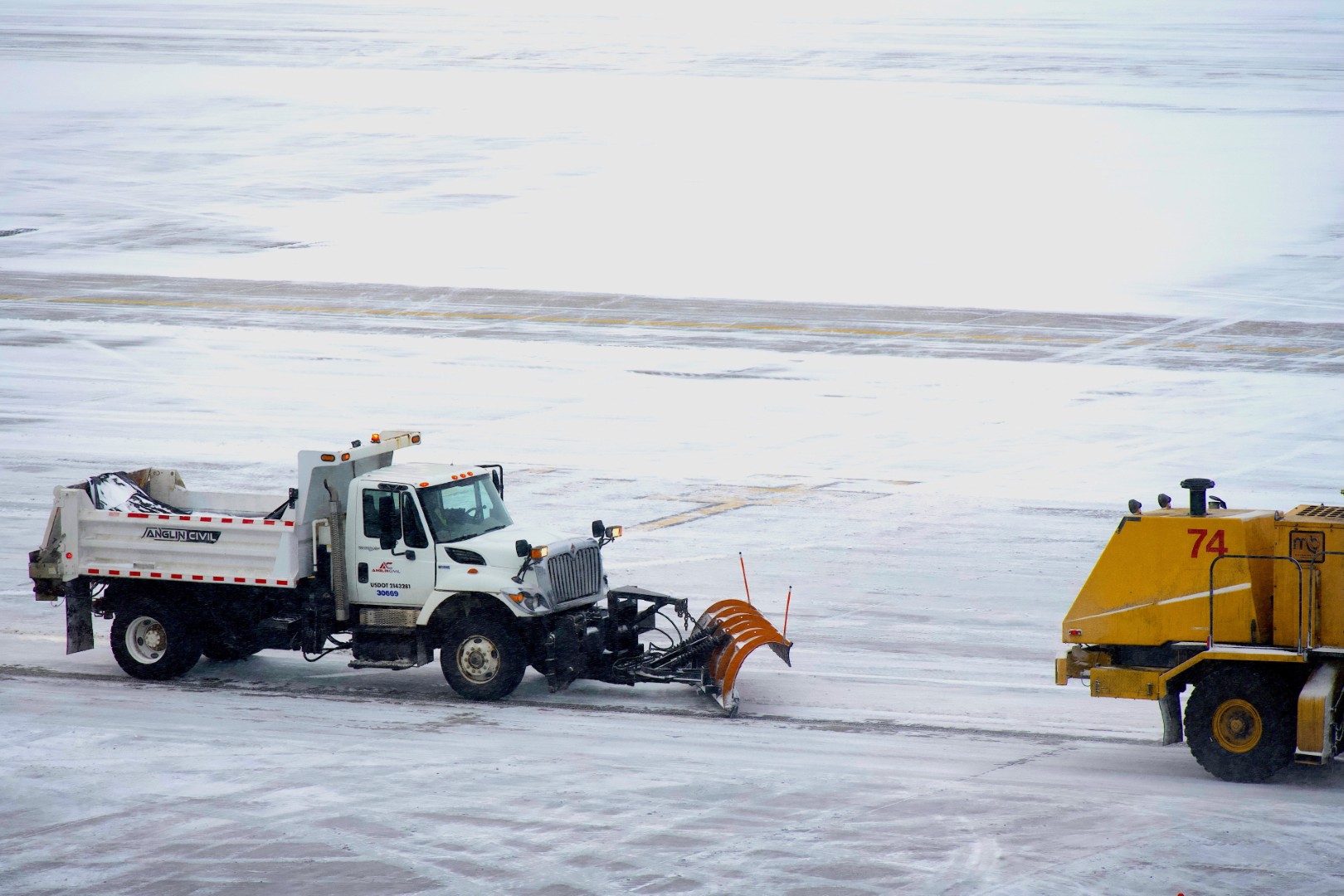
Maintenance activities such as plowing and hydroblasting
Traditional maintenance methods address surface symptoms but not the underlying cause.
Vetrofluid provides permanent protection — not temporary repair.
By chemically densifying the concrete matrix, Vetrofluid:
Reduces permeability and water intrusion
Increases surface hardness and abrasion resistance
Mitigates cracking and spalling
Slows chemical degradation and corrosion
Extends pavement and structural service life
This enables airport operators to transition from reactive maintenance to proactive asset preservation.
Protect Critical Infrastructure. Avoid Costly Replacement.
Airport pavements and structures are mission-critical assets that must meet strict operational, safety, and regulatory requirements. Runways, taxiways, aprons, and support facilities are subjected to continuous loading, environmental exposure, and maintenance operations that accelerate concrete deterioration.
When concrete degrades, the consequences extend well beyond repair costs:
Runway and taxiway closures
Flight delays and operational disruptions
Increased Foreign Object Debris (FOD) risk
Higher lifecycle and liability costs
Full reconstruction is capital-intensive and operationally disruptive.
In aviation, the true cost of deterioration is lost operational availability.
Protect Critical Infrastructure. Avoid Costly Replacement.
Airport pavements and structures are mission-critical assets that must meet strict operational, safety, and regulatory requirements. Runways, taxiways, aprons, and support facilities are subjected to continuous loading, environmental exposure, and maintenance operations that accelerate concrete deterioration.
When concrete degrades, the consequences extend well beyond repair costs:
Runway and taxiway closures
Flight delays and operational disruptions
Increased Foreign Object Debris (FOD) risk
Higher lifecycle and liability costs
Full reconstruction is capital-intensive and operationally disruptive.
In aviation, the true cost of deterioration is lost operational availability.