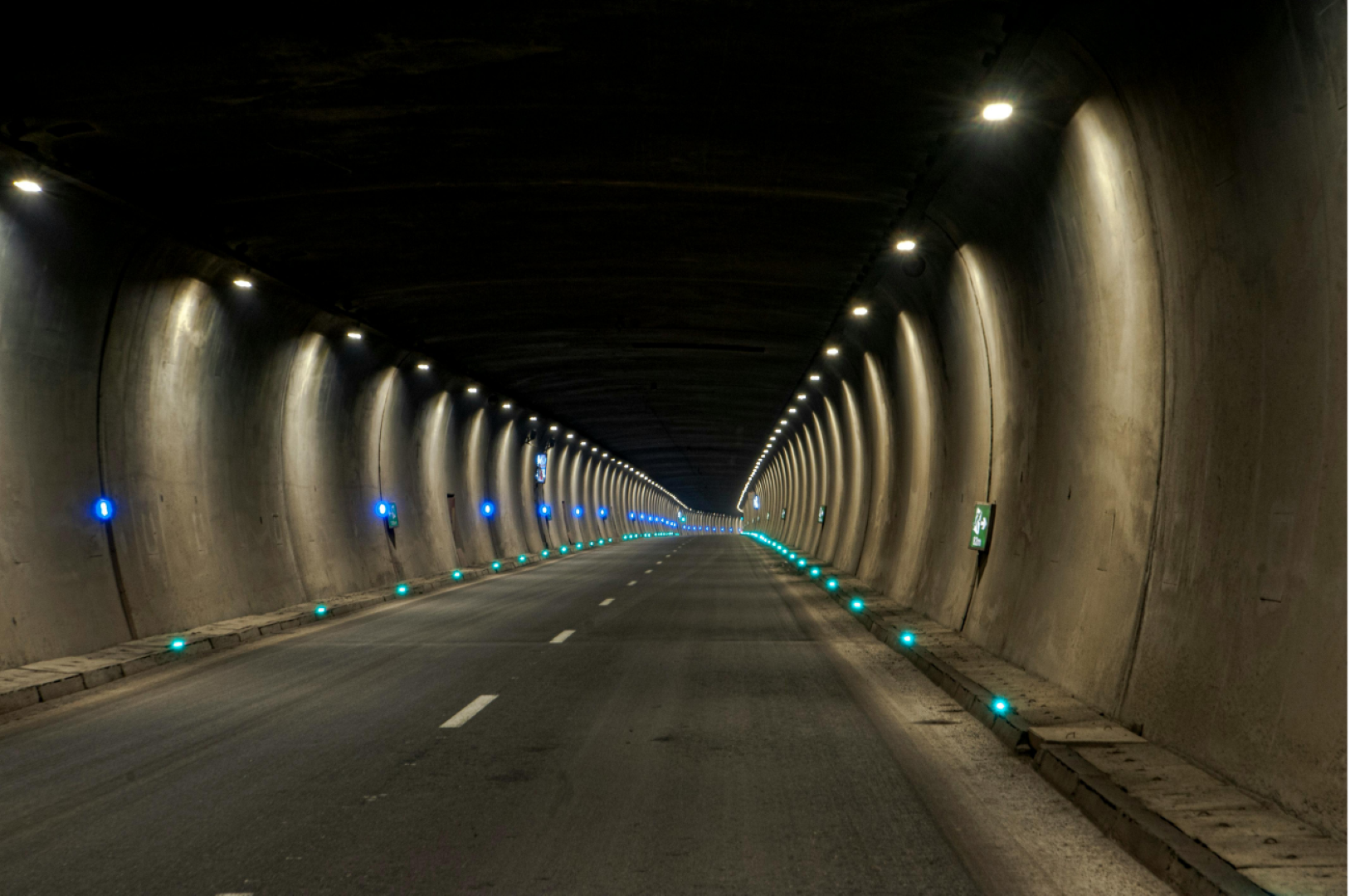
Vetrofluid Stops Water Intrusion at Over 200 PSI- Postive AND Negative Side

Vetrofluid Penetrates 1.5" - 3" into concrete, filling the pores and preventing all causes of concrete deterioation, keeping your tunnels dry.

Vetrofluid for Tunnels

Permanent Concrete Protection for Moisture-Heavy Tunnel Environments

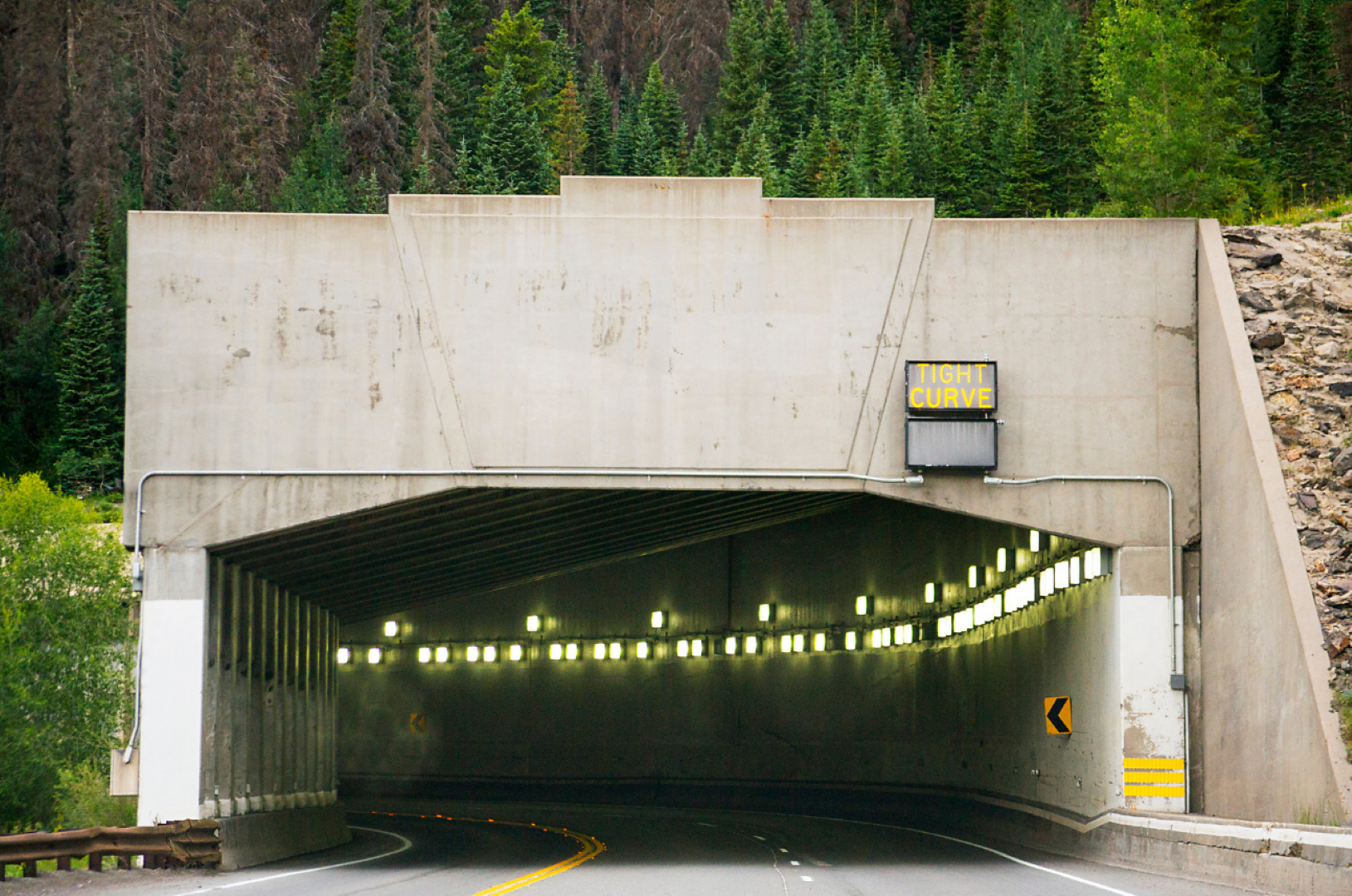
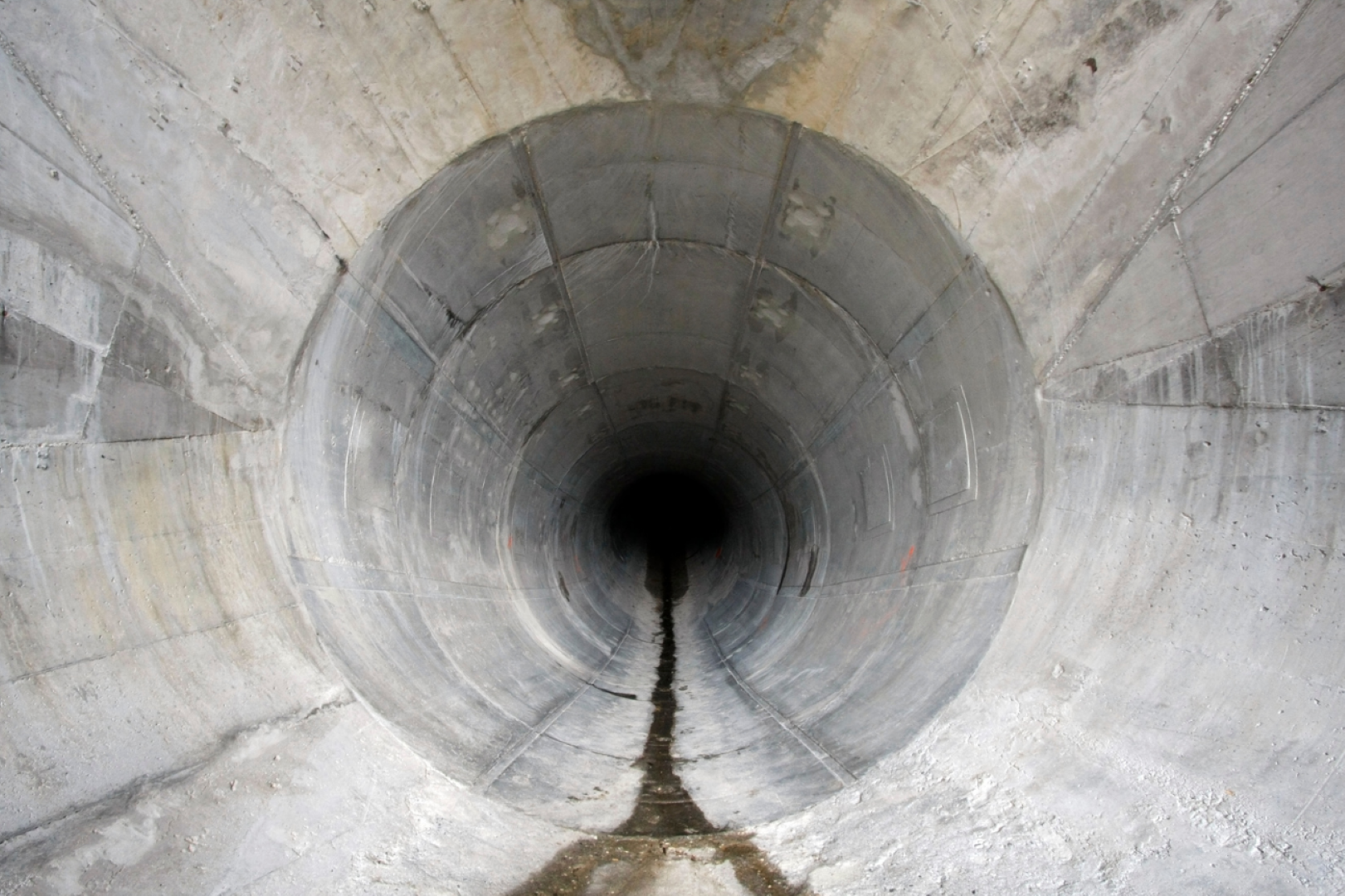
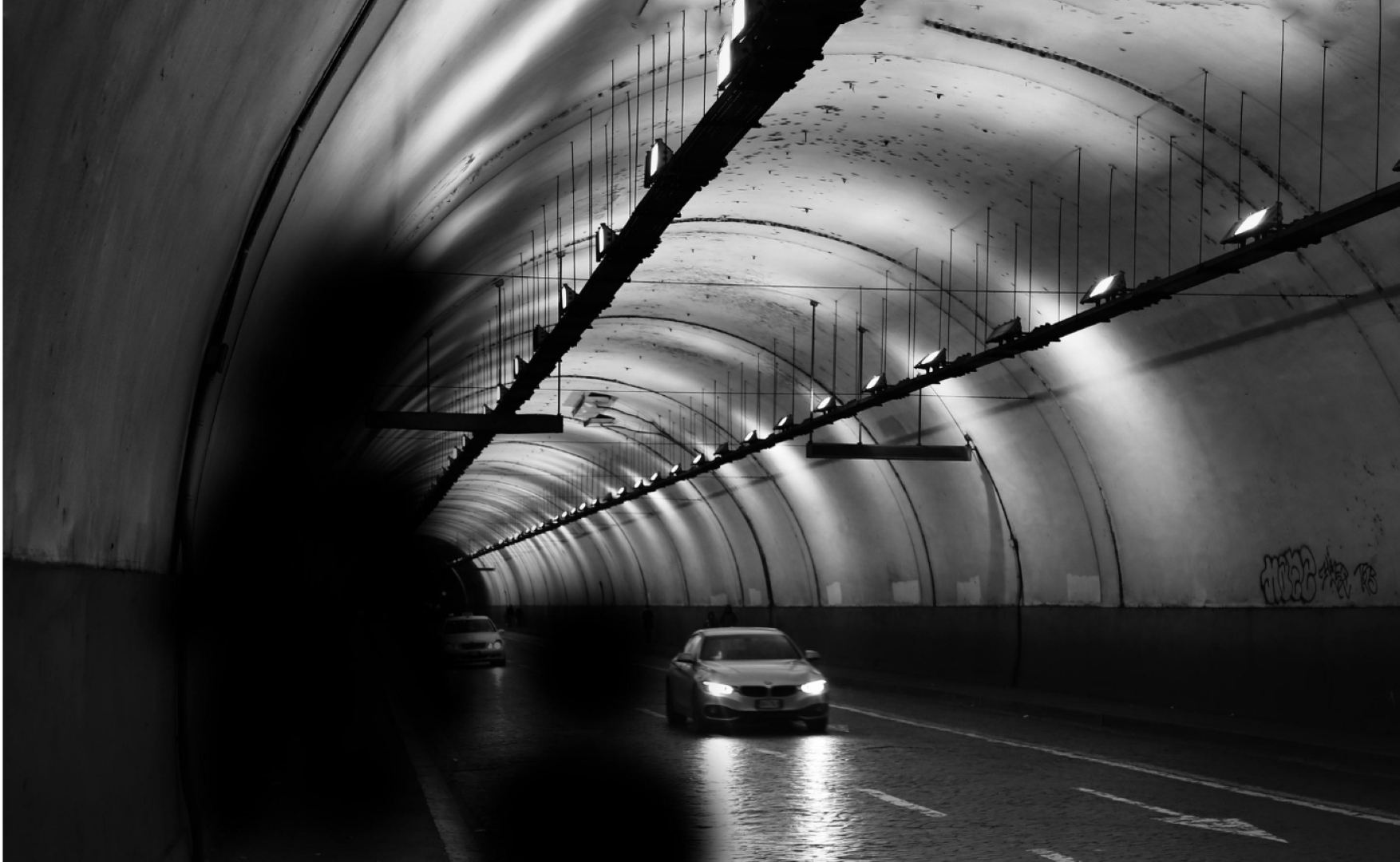
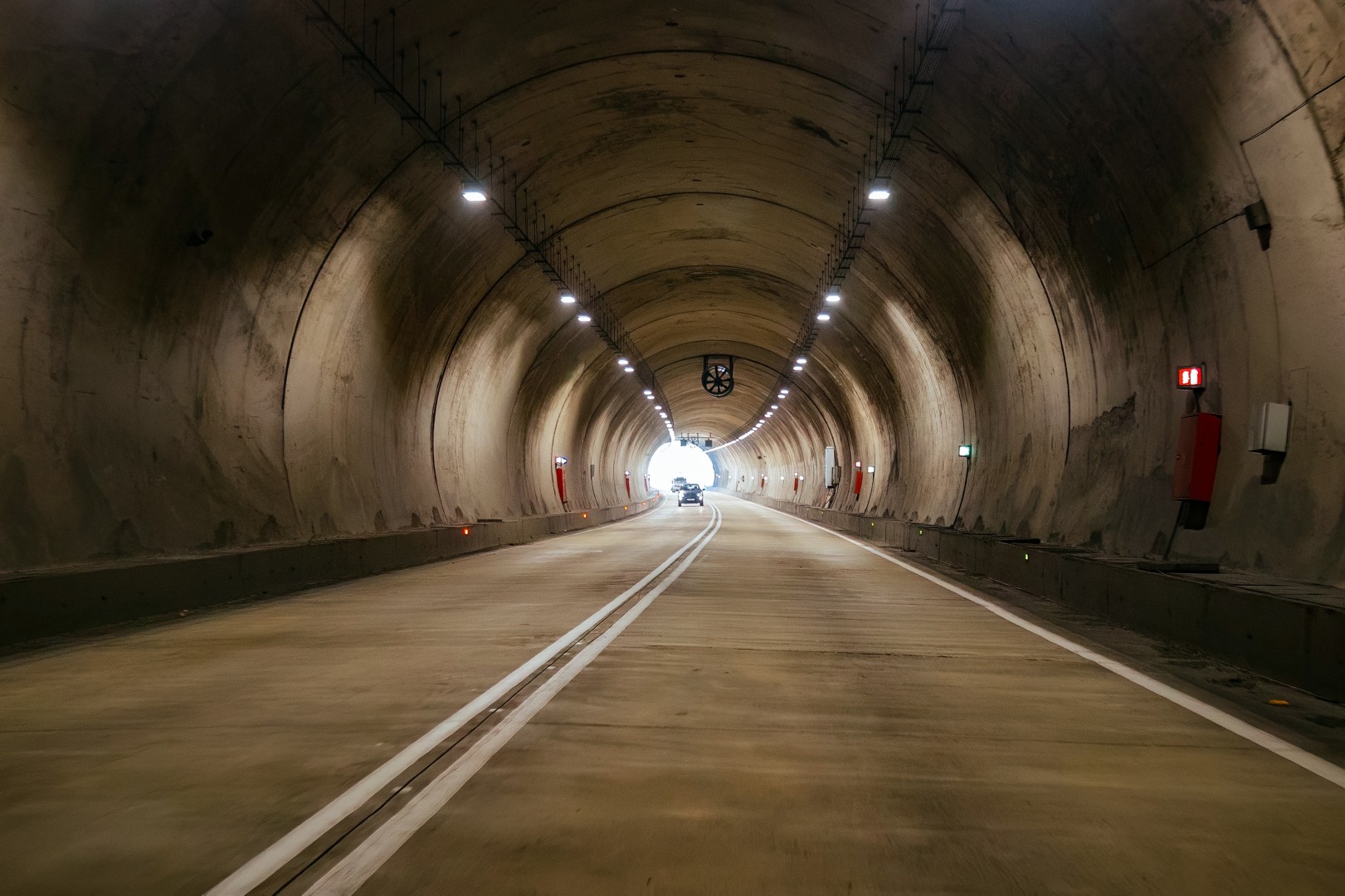
Tunnels are constantly exposed to groundwater, condensation, runoff, chlorides, vehicle contaminants, freeze-thaw conditions, and moisture pressure. Over time, water intrusion can lead to staining, efflorescence, cracking, corrosion, surface deterioration, and costly maintenance closures.

Vetrofluid helps protect tunnel concrete by strengthening, densifying, and waterproofing the concrete matrix. Instead of relying on a coating or surface water repellent, Vetrofluid treats the concrete itself, helping reduce water movement and contaminant intrusion from within.


 

Positive and Negative Side Protection

One of Vetrofluid’s biggest advantages in tunnel and subgrade applications is its ability to protect concrete from both the positive and negative sides of water pressure.

This is especially important in tunnels, underpasses, vaults, and other below-grade structures, where water often comes from behind or outside the concrete and the exterior side is difficult, expensive, or impossible to access.

Vetrofluid has been proven to stop water intrusion at approximately 200 PSI, making it a powerful solution for concrete exposed to groundwater pressure and moisture migration.

Better Suited for Subgrade Concrete

Traditional waterproofing systems often depend on exterior access, membranes, coatings, or repeated maintenance. Once those systems fail, repairs can be disruptive and costly.

Vetrofluid provides a different approach. Because it penetrates and reacts within the concrete matrix, it helps reduce water movement through the concrete itself. This makes it ideal for tunnel walls, ceilings, floors, portals, underpasses, utility corridors, transit tunnels, service rooms, and other below-grade concrete structures.

Advantages Over Silanes and Siloxanes

Silanes and siloxanes are commonly used to make concrete more water repellent, especially on above-grade surfaces exposed to rain, splash, and deicing salts. However, they are generally designed to reduce surface absorption, not to resist hydrostatic or negative-side water pressure.

That difference matters in tunnels.

Vetrofluid offers key advantages for tunnel concrete:

  • Protects from both positive and negative sides
  • Helps stop water intrusion under pressure
  • Treats the concrete matrix, not just the surface
  • Does not rely on a coating, membrane, or surface film
  • Helps reduce water movement, not just surface absorption
  • Will not peel, blister, chip, or de-laminate

VOC-Free Protection for Enclosed Spaces

Tunnel work often takes place in enclosed or poorly ventilated environments where odor, air quality, worker exposure, and environmental compliance matter. Some traditional solvent-based silane and siloxane products may contain VOCs and require additional ventilation or handling precautions.

Vetrofluid is VOC-free, making it well suited for tunnels and other enclosed infrastructure environments where safer, cleaner application is important.

Reduce Maintenance, Closures, and Long-Term Repair Costs

Tunnel repairs are expensive and disruptive. Even minor maintenance can require traffic control, lane closures, night work, ventilation planning, and specialized access.

By reducing water intrusion and strengthening the concrete from within, Vetrofluid helps owners take a proactive approach to tunnel durability, reducing the conditions that lead to deterioration before costly repairs are needed.

Keep Tunnel Concrete Drier and More Durable

Tunnels demand concrete protection that can withstand moisture, pressure, contaminants, and limited maintenance access. Vetrofluid helps protect tunnel concrete from within, providing positive and negative side protection, VOC-free performance, and long-term durability.

Drier tunnels. Stronger concrete. Positive and negative side protection. Fewer closures. Longer service life.

Scroll to Top